
THANK YOU FOR SUBSCRIBING

Be first to read the latest tech news, Industry Leader's Insights, and CIO interviews of medium and large enterprises exclusively from Logistics Transportation Review

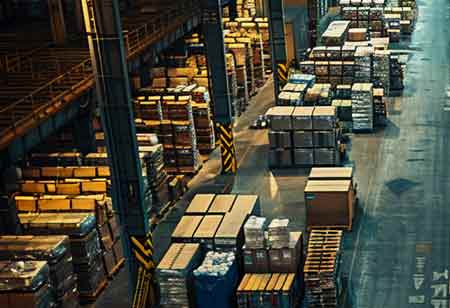
Seamless movement and storage of products is essential to the modern supply chain to satisfy customer demands and ensure continuity of operations. With an ever-growing global trade and changing demands from customers, companies need effective logistics services to manage their inventory, ensure timely deliveries, and have flexibility in their operations.

The logistics sector is regulated by strict guidelines and requirements that can affect business continuity through safety, documentation, driver management, vehicle maintenance and operational discipline. Compliance for carriers, brokers, fleet operators and other transportation companies is becoming more than an administrative issue. It has become a part and parcel of operational risk management and providing reliable transportation service.

Moving freight is rarely as simple as matching a shipment with an available truck. Shippers need reliable capacity, carriers need consistent business and both sides need information they can trust. Freight brokerage sits between these needs, helping connect fragmented parts of the transportation market.
The role of freight brokers is changing as supply chains become more demanding. Technology has made it easier to find capacity and exchange information, but the value of brokerage still depends heavily on judgment, relationships and an understanding of the market.

The final segment of the supply chain is the most critical touchpoint between a commercial enterprise and its end user, serving as a primary determinant of operational success and customer satisfaction. With increasingly expanded digital-first models of the global marketplace, logistical complexities are ever deeper in bringing goods to a single individual from local distribution hubs. This stage, commonly referred to as the last mile, is known to consume a disproportionately large part of total shipping costs and is faced with unique challenges ranging from urban congestion and fluctuating fuel prices.

